
Miami Club casino blackjack game
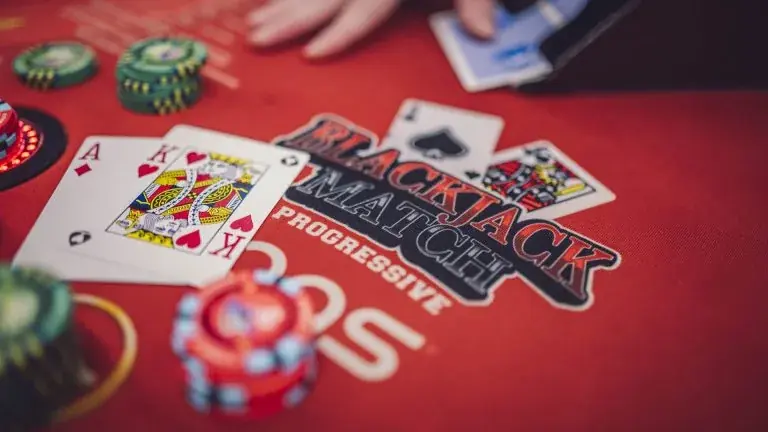
Blackjack is one of those casino sections where the difference between “available” and “worth using” becomes obvious very quickly. I have seen many platforms list blackjack on the lobby, yet offer only a thin catalog, awkward navigation, or tables that do not suit real-money play. That is why, when I assess Miami club casino Blackjack, I look beyond the label itself. What matters in practice is how many versions are actually accessible, whether live tables are present, how clear the betting conditions are, and how easy it is to find a format that matches a player’s budget and style.
For Australian users in particular, blackjack is rarely judged by marketing copy alone. Players usually want to know whether Miami club casino has standard RNG blackjack, live dealer blackjack, side-bet variants, and sensible stake ranges. Just as important is the overall flow: how many clicks it takes to reach the right table, whether filtering works, and whether the section feels curated or simply padded with duplicate titles from different providers.
Does Miami club casino offer blackjack, and how is the section usually structured?
Yes, Miami club casino typically includes blackjack as a dedicated part of its casino offering, and that matters because blackjack is not just a side category buried among generic table Miami Club Casino games details for players checking risk and value. In practical terms, users can usually expect to find blackjack through the main games navigation, often alongside roulette, baccarat, and poker-based titles. The key point is not only that blackjack exists, but that it is usually presented in more than one form rather than as a single token game.
From a usability perspective, a proper blackjack section should separate software-based titles from live dealer options. If Miami club casino does this clearly, the experience is much better: a player looking for fast solo rounds does not need to scroll through live tables, while someone who wants a real dealer can avoid static RNG titles. When that separation is missing, the section may still look full, but it becomes less practical to use.
One thing I always watch for is whether the blackjack page feels intentionally built or merely assembled from provider feeds. A strong section has visible categories, recognisable game names, and enough variety to justify returning to it. A weak one often gives the illusion of choice while repeating similar versions with only minor changes in layout or stake level.
Which blackjack formats can players usually find here?
At Miami club casino, the blackjack offering usually falls into two broad groups: standard digital blackjack and live blackjack. These formats may sound similar on paper, but they serve different players and create very different sessions.
RNG blackjack is the more direct option. It is fast, simple to load, and ideal for players who care about pace, lower minimums, and uninterrupted decision-making. There is no dealer wait time, no seat competition, and no dependency on stream quality. For some users, especially those who prefer strategy-focused play, this is the more practical version because every round starts quickly and the interface tends to be cleaner.
Live blackjack, by contrast, is about realism and table atmosphere. Cards are dealt by a human dealer through a video stream, and that changes the rhythm completely. Decisions feel closer to a land-based table, but the pace is slower, and table availability matters. This is also where differences between brands become more noticeable. A site may technically offer live blackjack, yet only a small number of tables, limited seat access, or stake levels that do not fit average players.
Some users may also encounter branded or variant-based formats such as multi-hand blackjack, speed blackjack, or titles with side wagers. These versions are useful only if the rules are displayed clearly. A variant can look attractive in the lobby but become much less appealing once you notice altered payout terms, restricted doubling options, or side bets with high volatility.
Classic blackjack, live dealer rooms, and other common variations
In most cases, Miami club casino Blackjack is most useful when it includes a mix of classic single-seat digital titles and live dealer tables from established providers. Classic blackjack should be the baseline. By that I mean a straightforward game with familiar options such as hit, stand, split, and double, supported by visible game information. If the classic format is missing or buried under novelty titles, the section loses practical value. Before you make a deposit, it is worth reading Miami Club Casino poker guide for players comparing casino options for the fee and speed details.
Live dealer blackjack is usually the feature that gives the category more depth. If Miamiclub casino includes real-time tables with different stake levels, that is a positive sign because it allows both casual and more serious players to choose a suitable environment. The real test, however, is not whether live tables appear in the lobby, but whether they are available at useful times and whether there is enough variety in minimum and maximum stakes.
Additional formats can improve the section, but only when they add real choice. Multi-hand blackjack can appeal to experienced users who want faster action across several boxes. Speed blackjack can suit players who find standard live tables too slow. Some branded versions introduce side bets like 21+3 or Perfect Pairs. These options can make sessions more varied, but they should never distract from the core question: is the underlying blackjack game itself solid and transparent?
One detail that often separates a good blackjack page from a mediocre one is how clearly variant names reflect actual gameplay. I have seen casinos list several titles that look distinct in the lobby but differ only in provider skin or table branding. That kind of variety is cosmetic, not functional.
How easy is it to open and use the blackjack area?
The convenience of the blackjack section at Miami club casino depends heavily on navigation and filtering. In the best-case version, users can reach blackjack directly from the main menu or table games area, then narrow results by live dealer, provider, or popularity. That sounds basic, but it has a direct impact on whether the section feels usable in daily play.
If the platform forces players to browse through a broad games catalogue without proper sorting, blackjack becomes harder to use than it should be. This matters more than many operators admit. Blackjack players often know exactly what they want: a classic table, a live seat, or a low-limit option. Good filtering respects that. Poor filtering turns a focused session into a search task.
Launch speed is another practical checkpoint. RNG blackjack should open quickly and place the core controls in clear view. Live tables should load without confusion about seat status, betting timer, or dealer connection. If the system sends the user through extra pop-ups or unclear loading screens, the section may still be technically functional, but the real experience becomes less efficient.
A memorable pattern I often notice in blackjack sections is this: when a site makes roulette easy to find but blackjack harder to isolate, blackjack usually has not been curated with the same care. That is a small design clue, but it often proves accurate.
What rules, stake ranges, and gameplay details deserve close attention?
This is where players should slow down. The practical quality of Miami club casino Blackjack depends less on the number of titles and more on the actual game conditions. Before choosing a table, I would check the payout for a natural blackjack, the number of decks, whether the dealer stands or hits on soft 17, and whether doubling after split is allowed. These details directly affect the house edge and the strategic value of the game.
Minimum and maximum bets are equally important. A blackjack section is only genuinely useful if it serves more than one budget level. Low-stake users should check whether there are tables with accessible entry points rather than only premium live rooms. Higher-stake players, on the other hand, need to see whether table caps are realistic for their bankroll and whether the available limits remain stable across different versions.
Game speed also matters. In RNG blackjack, fast rounds are usually an advantage, especially for users following basic strategy. In live dealer rooms, the pace depends on the dealer, table occupancy, and interface timing. Some players enjoy that slower rhythm; others find it inefficient. Neither is inherently better, but the difference should be understood before choosing a format.
One more point deserves attention: auto-play style convenience in digital blackjack can make the game feel smoother, but it also increases the risk of rushing decisions. A clean interface is helpful; an overly frictionless one can encourage careless betting.
Live dealers, table selection, side bets, and extra features
If Miami club casino offers live blackjack, the real value lies in table variety rather than in the mere existence of a live tab. A useful live selection should include more than one table environment, ideally with different betting thresholds and at least some variation in speed or presentation style. This helps players avoid the common problem of seeing live blackjack listed, only to discover that the available tables do not match their preferred stakes.
Side bets are another feature worth checking carefully. Options such as Perfect Pairs or 21+3 can add interest, but they also increase volatility and usually carry a higher house edge than the base hand. For experienced players, that is not necessarily a problem, provided the side bets are clearly optional and not pushed too aggressively in the interface. For newer users, they can create the illusion of extra value while quietly changing the risk profile of the session.
Extra features may include roadmaps, statistics panels, multi-seat views, or chat at live tables. These additions can improve immersion, but they should remain secondary. In blackjack, clarity beats decoration. If the screen is overloaded with side information while key actions are cramped or delayed, the feature set becomes counterproductive.
What is the real user experience like when playing blackjack here?
In day-to-day use, Miami club casino Blackjack is likely to feel most practical for players who want a straightforward path to either a classic digital table or a live dealer session without unnecessary detours. If the catalogue is well organised, the section can be genuinely useful rather than merely present. That distinction matters. A blackjack page earns repeat use when it saves time and offers enough meaningful choice to support different playing habits.
For RNG titles, the user experience is usually strongest when the controls are immediate, the game information is easy to open, and the table does not hide important conditions behind separate menus. For live tables, comfort depends on stream stability, visible limits, and whether it is obvious when a seat is open or when a player can join as a betting participant.
There is also a psychological side to usability. A blackjack section feels better when the player can compare options quickly and understand what changes from one title to another. When every tile looks similar and the differences are buried in small print, the section becomes tiring to use. That kind of friction does not show up in marketing, but players feel it within minutes.
Where can the blackjack section fall short?
The main weakness that can reduce the value of Miami club casino Blackjack is shallow variety disguised as broad choice. If the page contains many near-identical titles without meaningful differences in rules, stakes, or format, the catalog may look larger than it really is. That is a common issue in online blackjack libraries.
Another possible limitation is stake imbalance. Some platforms do a decent job at offering live dealer tables, but the minimum bets start too high for casual play. Others cater well to smaller budgets but lack stronger limits for advanced users. In both cases, the section is functional, yet narrower than it first appears.
Live availability can also be a weak point. A live blackjack label is useful only if tables are open, stable, and not constantly crowded. If seat access is inconsistent or if there are too few tables at peak times, the practical benefit drops. This is especially relevant for players in Australia, where time-zone alignment can affect which live rooms are comfortably available.
I would also treat unclear rule summaries as a red flag. Blackjack is not a game where hidden details should be tolerated. If payout terms, deck count, or doubling conditions are hard to verify, that reduces trust in the section immediately.
Who is Miami club casino Blackjack best suited for?
This section is best suited to players who specifically want blackjack as a focused activity, not as an occasional extra between unrelated casino games. If Miami club casino maintains a balanced mix of classic and live options, it can work well for users who value choice but still want a simple route to the table.
Beginners are likely to get the most from the section when clear classic blackjack titles are easy to identify and the interface does not overwhelm them with too many side features. More experienced players will benefit only if the rules are transparent and the stake range is broad enough to support deliberate table selection.
For live dealer fans, the section is worthwhile when there are enough tables to avoid long waits and enough limit variation to make the offering usable beyond a single budget bracket. For strategy-driven users, the better fit will usually be the cleaner RNG versions with faster rounds and more predictable flow.
Practical tips before choosing a blackjack game at Miami club casino
Check the blackjack payout first. A classic 3:2 structure is more favourable than reduced alternatives.
Open the game information panel before betting. Look for deck count, dealer soft 17 policy, split rules, and double options.
Compare stake ranges across several tables instead of choosing the first title shown in the lobby.
If using live blackjack, verify whether seats are actually available and whether the stream is stable at your local time in Australia.
Treat side bets as optional extras, not as the core reason to choose a table.
Pay attention to how many clicks it takes to return from one table to the blackjack lobby. That small detail affects long-term convenience more than most players expect.
Final verdict on the Miami club casino Blackjack section
My overall view is that Miami club casino Blackjack can be genuinely useful if the section delivers on three essentials: a clear classic blackjack base, live dealer coverage that is more than symbolic, and visible game conditions that help players choose intelligently. The strength of the section is not simply that blackjack exists on the site, but that it can offer different ways to play depending on whether the user wants speed, realism, lower stakes, or a more social table environment.
The strongest side of Miami club casino is its potential to serve both digital blackjack players and live dealer users within one focused category. The caution point is equally clear: players should not mistake a long list of titles for depth without checking rules, limits, and true table variety. That is where the practical value of the section is decided. A quick read of real money casino ownership answers most questions about limits and account settings.
If you are a player who wants straightforward blackjack access, recognisable formats, and the option to switch between standard and live sessions, this section may be worth regular use. If you need very specific rules, very broad stake coverage, or consistently open live tables at your preferred hours, verify those details first. In blackjack, small conditions shape the entire experience, and at Miami club casino, those checks matter more than the headline presence of the category itself.
FAQ
How does a live Blackjack round work on the casino games lobby?
A live dealer starts the shoe, then deals the initial two cards to the player and dealer. The player selects Hit, Stand, Double, or Split while it is their turn. The dealer completes the hand under standard rules, and the result is settled at the end of the round.
Before the first click, which Blackjack rule details should be checked for real-money play?
The table rules shown in the live interface matter, including dealer behavior and whether Double on any two cards is enabled. It is also worth checking the options that are available at that specific table, since different tables can have different actions.
What affects how quickly a Blackjack table loads on mobile?
Network stability and device performance are the main factors for live dealer refresh and card animation. Using the mobile casino app version can feel faster than switching between multiple pages in a browser.
What is the dealer’s role, and when does the dealer stop drawing cards?
The dealer follows the table rules once the player finishes their decisions. Typically, the dealer continues drawing until the required hand total is reached, then stands and resolves the round.
What is the safest way to manage risk when choosing Blackjack volatility and bet size?
Volatility reflects how strongly results can swing, so a lower-volatility approach typically reduces the speed of variance. Staying within the table’s limits and using a planned stake size helps keep decisions consistent during longer sessions.
Can Split and Double be used at every Blackjack table?
Action availability is determined by the specific table rules displayed in the live interface. When those options are not active, the betting controls will reflect the allowed actions only.
What happens if the connection drops during a live Blackjack round?
Reconnecting restores the session when the table allows it, but the current round outcome may still be settled based on the table’s timing. After regaining access, opening the table again ensures the correct hand state is shown.
Where should fresh information be checked before launching a real-money Blackjack session?
The live table panel shows the current bet limits and the active actions for that specific table. Before placing a first bet, players should read those details in the interface to avoid relying on outdated expectations.
How is Blackjack different from another casino games section like roulette for betting flow?
Blackjack involves turn-based player decisions against the dealer, while roulette resolves with a single spin outcome. Because Blackjack includes actions like Hit or Stand, it often requires more attention during the hand, not just when the bet is placed.